
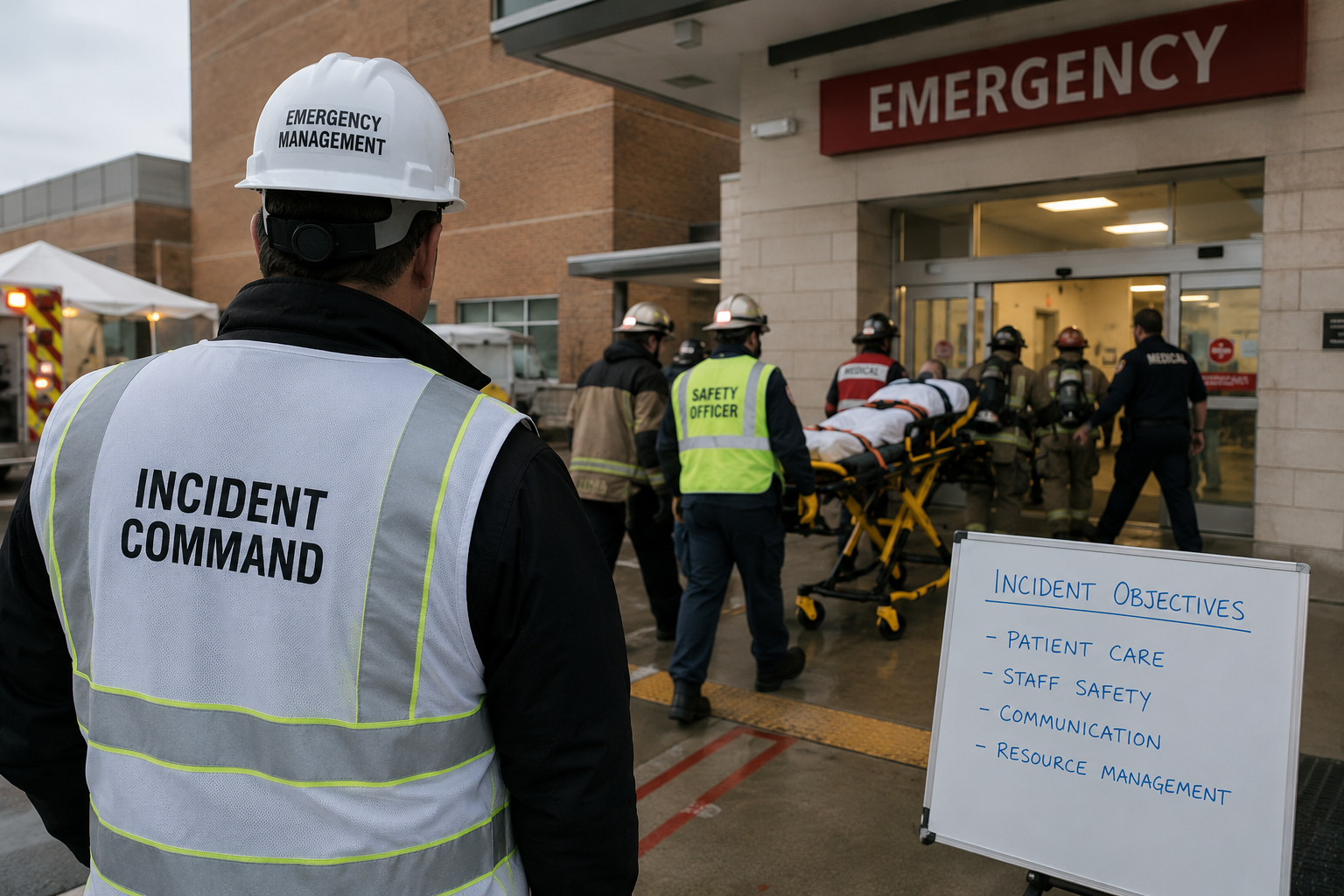
The CBRN Gap: Why Most Hospitals Believe They're Ready When They're Not
Most hospitals believe they are prepared for a CBRN event because the plan exists, the equipment is stored correctly, and the training records are current. But true readiness is not measured on paper it is measured in the first critical minutes after a contaminated patient enters the emergency department.
The reality is that many healthcare organizations have never fully tested whether their decontamination process, PPE capability, lockdown procedures, and leadership coordination can function under real operational pressure.
This article examines the hidden CBRN preparedness gaps that quietly exist inside many hospitals and why compliance alone does not guarantee operational readiness.
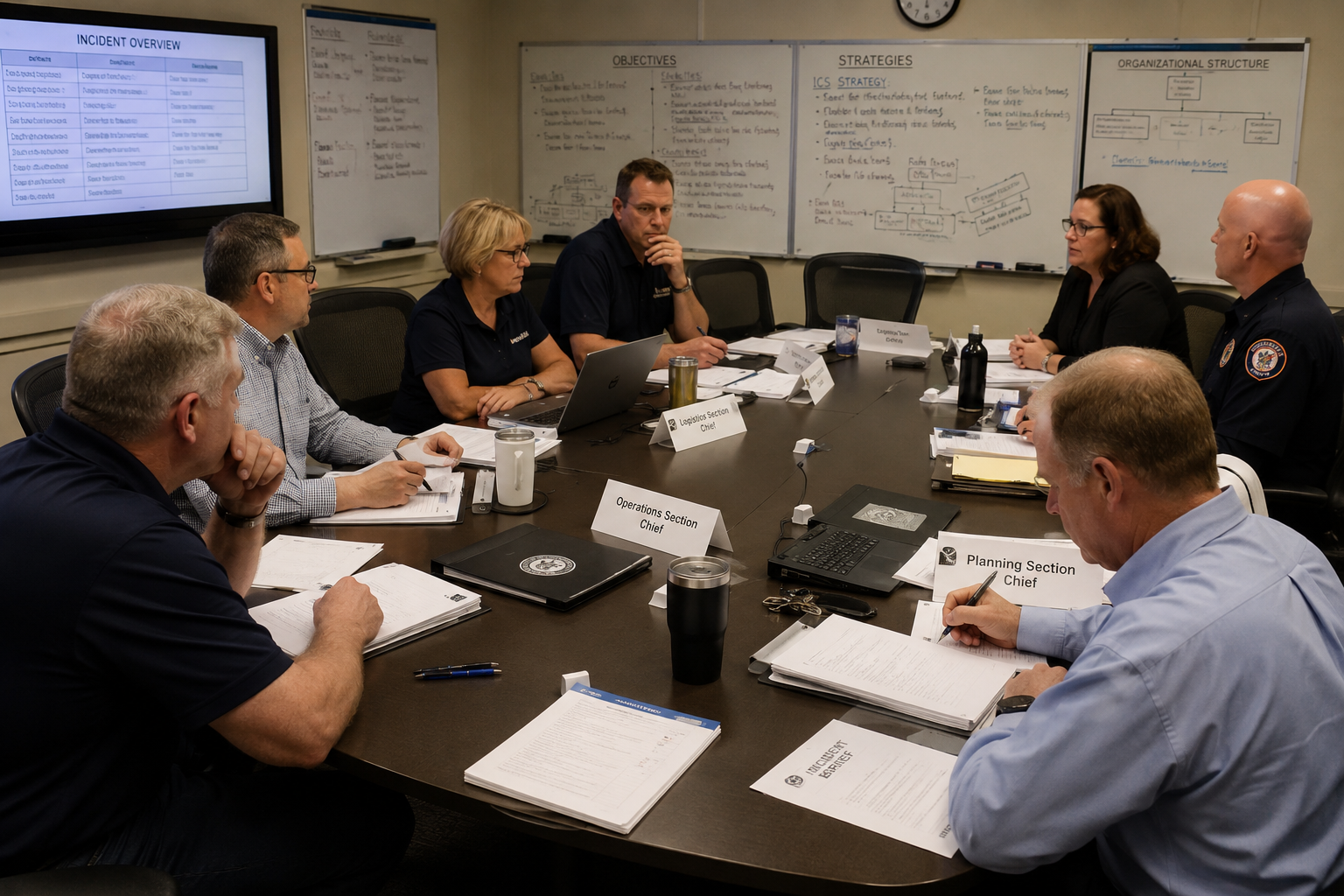
The Tabletop Illusion: Why Most Hospital Exercises Don't Predict Real Performance
Most hospital emergency management programs believe they are prepared because the plan exists, the exercise was completed, and the documentation is current. But real emergencies do not test paperwork — they test operations under pressure.
From tabletop exercises that never measure real-world capability to decontamination plans that fail under operational stress, healthcare preparedness gaps often remain invisible until an actual incident exposes them.
In this series, D2 Emergency Management Consulting examines the hidden weaknesses inside hospital preparedness programs and why compliance alone is not the same as readiness.

The Most Overlooked Reality in Emergency Management
Most emergency plans are built around ideal conditions — full staffing, available leadership, and stable operations.
But real emergencies rarely happen under ideal circumstances. They happen during overnight shifts, weekends, and periods of reduced staffing, when organizations are operating at their weakest point.
At 2 AM, communication slows, leadership access becomes limited, fatigue affects decision-making, and small operational gaps can quickly escalate into major failures.
True preparedness is not measured by how systems perform during scheduled exercises or daytime operations. It is measured by whether an organization can continue functioning effectively under pressure, uncertainty, and limited resources.
This article explores the “2 AM Problem” in emergency management — and why organizations must prepare for imperfect conditions, not perfect ones.

Preparedness vs. Readiness: Why Plans Don’t Equal Performance
Many organizations think they’re ready because they’re prepared. Learn the critical difference between preparedness and readiness — and why it determines real-world performance.